 A letter from Amy Breitmann, President and CEO, Golden Harvest Food Bank
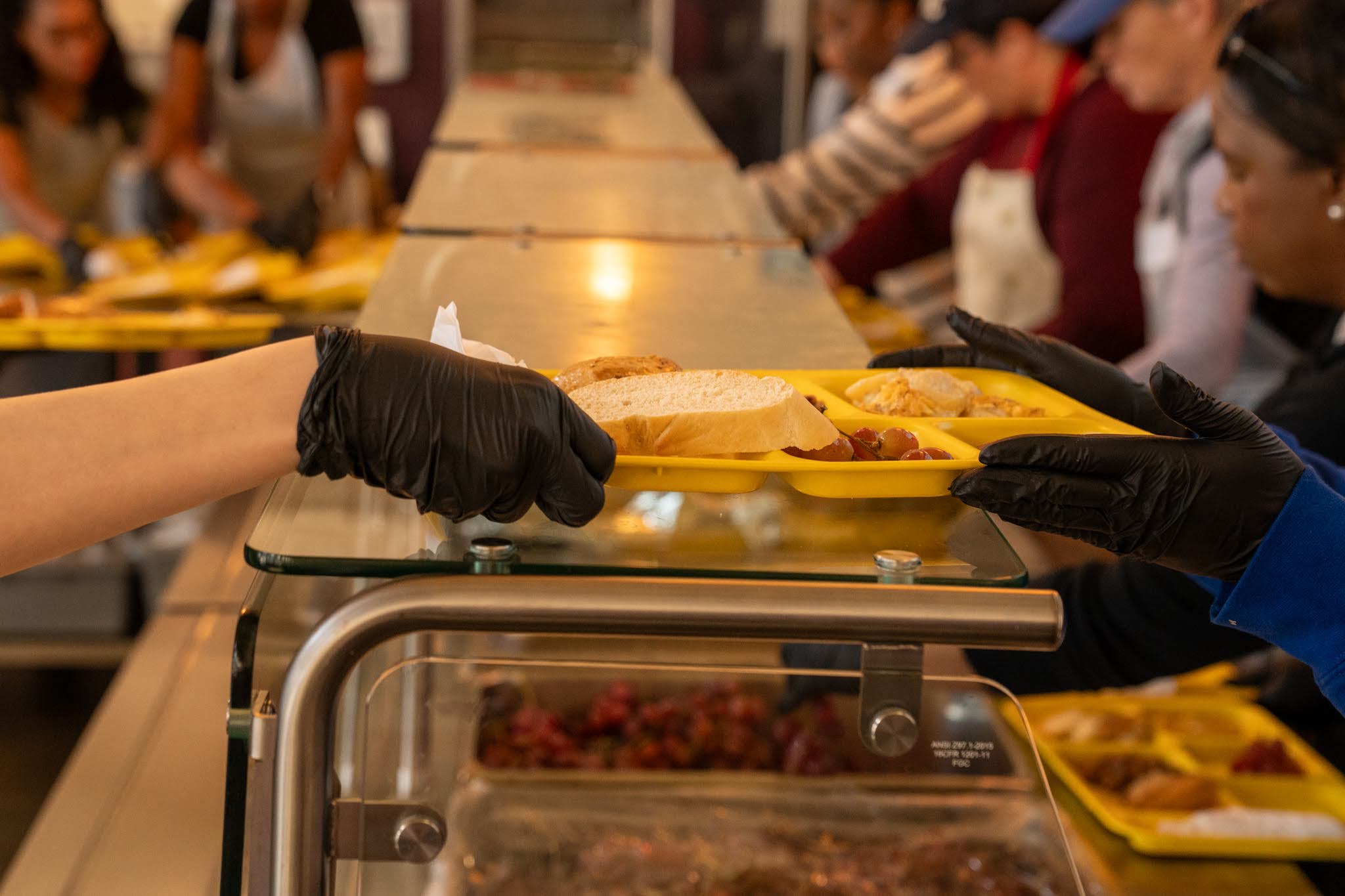
On a recent Sunday, our Master’s Table Community Kitchen in Augusta served more than 500 hot, homemade meals in a single day. Not long ago, a busy day there meant 200 or 300. In September alone, we served about 10,000 meals, and 280 of them went to children. That is more than 100 more children than the month before.
I keep thinking about those children. About the parents who walked them through our doors, some for the very first time. And about what it means to know there is a place where your family will be welcomed and fed. Our kitchen is not an exception. It is a window into the need across our region and across our country.
Here in Augusta, a partner pantry recently received 41 new neighbors representing households it had never seen before, in a single day. By 11:15, the shelves were nearly bare, and its leader walked the line apologizing to every family still waiting. Partners across all 24 counties Golden Harvest serves are telling us the same thing. And over the past year, visits to the Find Food page on our website rose 52 percent: neighbors typing in a zip code, hoping help is close to home.
Our neighbors are being pressed from every side. Picture a mother in the grocery aisle, adding up each item on her phone. Groceries, rent, and utilities are taking more of her paycheck. She puts the fruit back, then the meat, trying to make what she has stretch far enough to feed her family.
For families who also lose SNAP benefits, those choices become even harder. Losing food assistance does not mean the need for food disappears. Nationally, SNAP enrollment has fallen from 42 million to 36 million people, and as of October 1, states carry 75 percent of the cost of running the program. Families who lose that help do not stop being hungry. Many of them are coming to our network for help.
Here is the part most people never see. At the very moment more neighbors need help, the donated and federal food coming through our warehouses is down nearly 40 percent. In September, federal food supported only about 4,000 of the meals at our Community Kitchen; our community of donors carried the rest. And food costs across the organization have also risen. To keep serving at the same level next year, Golden Harvest is budgeting $1.6 million more for food. Not to grow. Just to hold the line. And every pound rides on our trucks across more than 25 routes a week, with diesel up nearly $2.80 a gallon from a year ago.
Our team feels the weight of it. So do food banks across the nation. And our partners running pantries and programs across our 24 counties feel this deeply. They know the neighbors waiting in line, and they are doing everything they can to make limited food stretch. No one wants to tell a family there is not enough.I have not felt a season like this since the early days of the pandemic.
And yet.
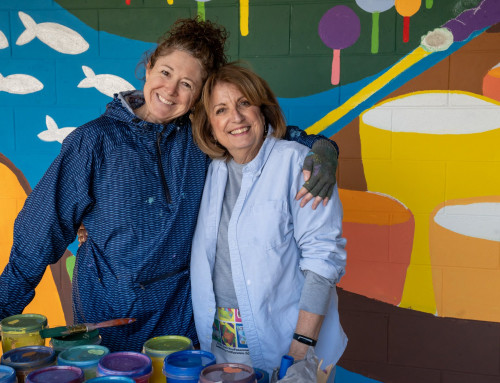
Over the same year that Find Food visits to our website rose 52 percent, visits to our Volunteer Now page rose 57 percent. Even as more neighbors searched for help, more people searched for a way to give it. This past year, volunteers came through our doors more than 22,000 times and gave over 51,000 hours to Golden Harvest, the equivalent of nearly 25 full-time staff, sorting food, packing boxes, tending our Urban Farm, and serving meals beside us.
That is the truth I want to tell this October: when hunger rises, so can we.
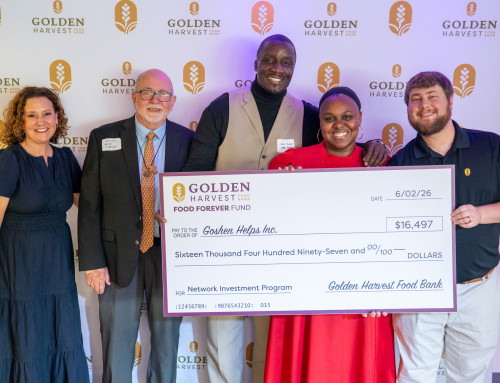
Golden Harvest is rising with our partners. This year, through our Network Investment Program funded by the Food Forever Fund endowment, we invested $250,000 in 23 hunger relief partners for refrigeration, vehicles, shelving, and building repairs, so their doors stay open and their shelves stay full.
We are rising beside our neighbors, too, because we do more than move food. Our team helps neighbors find their way through hard seasons: understanding SNAP and other food benefits, finding the nearest pantry or a hot meal, and connecting with trusted partners for needs like housing, transportation, healthcare, and utilities.
And we have seen this community rise before. Two years ago this season, Hurricane Helene tore through our region. I was carrying my own losses, as so many of you were. And still, three days after the storm, more than 100 neighbors showed up to pack emergency food. That month, together, we moved more than double the food we move in a typical month.
I know what this community can do when we come together. And this October, I am asking you to rise with us.
Give, because your dollars buy the food that no longer arrives to our warehouses and fuel the trucks that carry it. Volunteer, because our warehouses, our Produce Rescue Center, our farm, and our kitchen run on willing hands. Speak up for neighbors squeezed from every side. And this October, join It’s Spooky to Be Hungry, a Golden Harvest tradition for more than 30 years, where every $2 provides 5 meals.
On the front wall of our Augusta campus are these words: “For I was hungry and you gave me something to eat, I was thirsty and you gave me something to drink, I was a stranger and you invited me in.” (Matthew 25:35)
Hunger is rising. So can we.
Make An Impact